Melissa Cheals practical framework for designing organisations where people can think, decide, and move forward
without relying on control, heroics, or constant escalation.


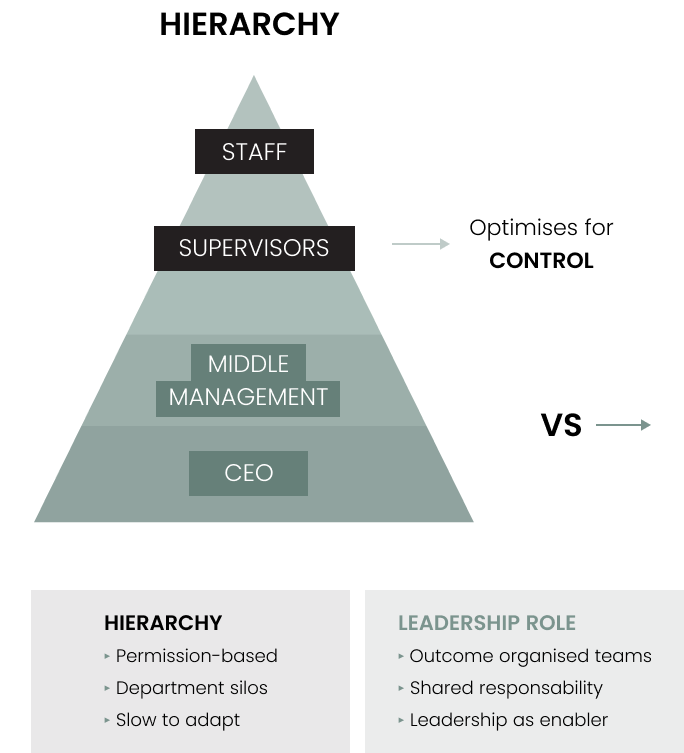
When outcomes are vague, decision rights are unclear, and responsibility is fragmented, capable teams slow down. Leaders become bottlenecks. Progress depends on permission instead of ownership.
Clarity Architecture™ exists to change that, structurally.
Clarity Architecture™ is a way of designing how work moves through an organisation.
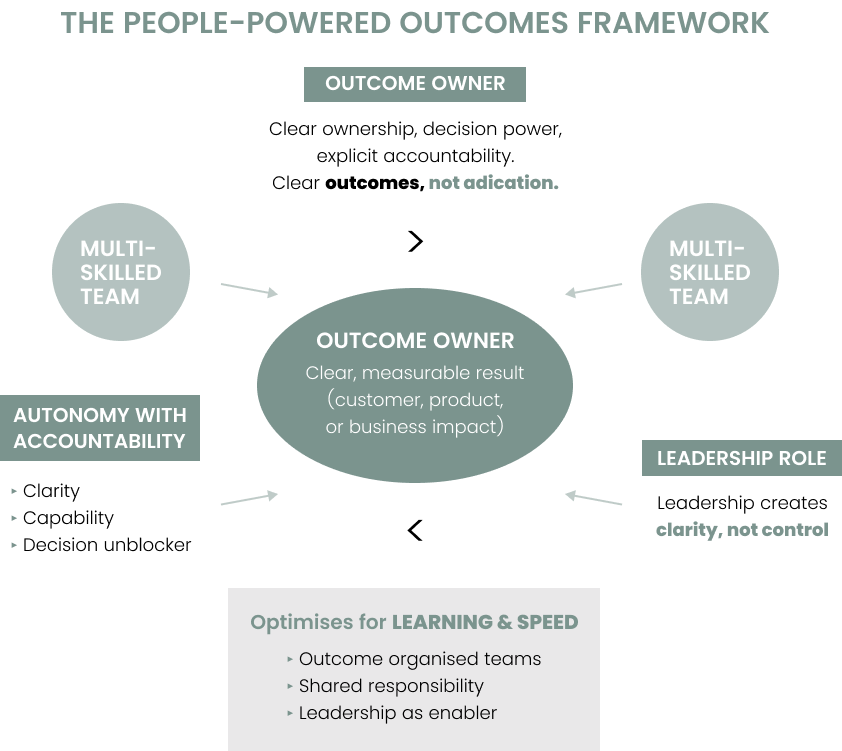
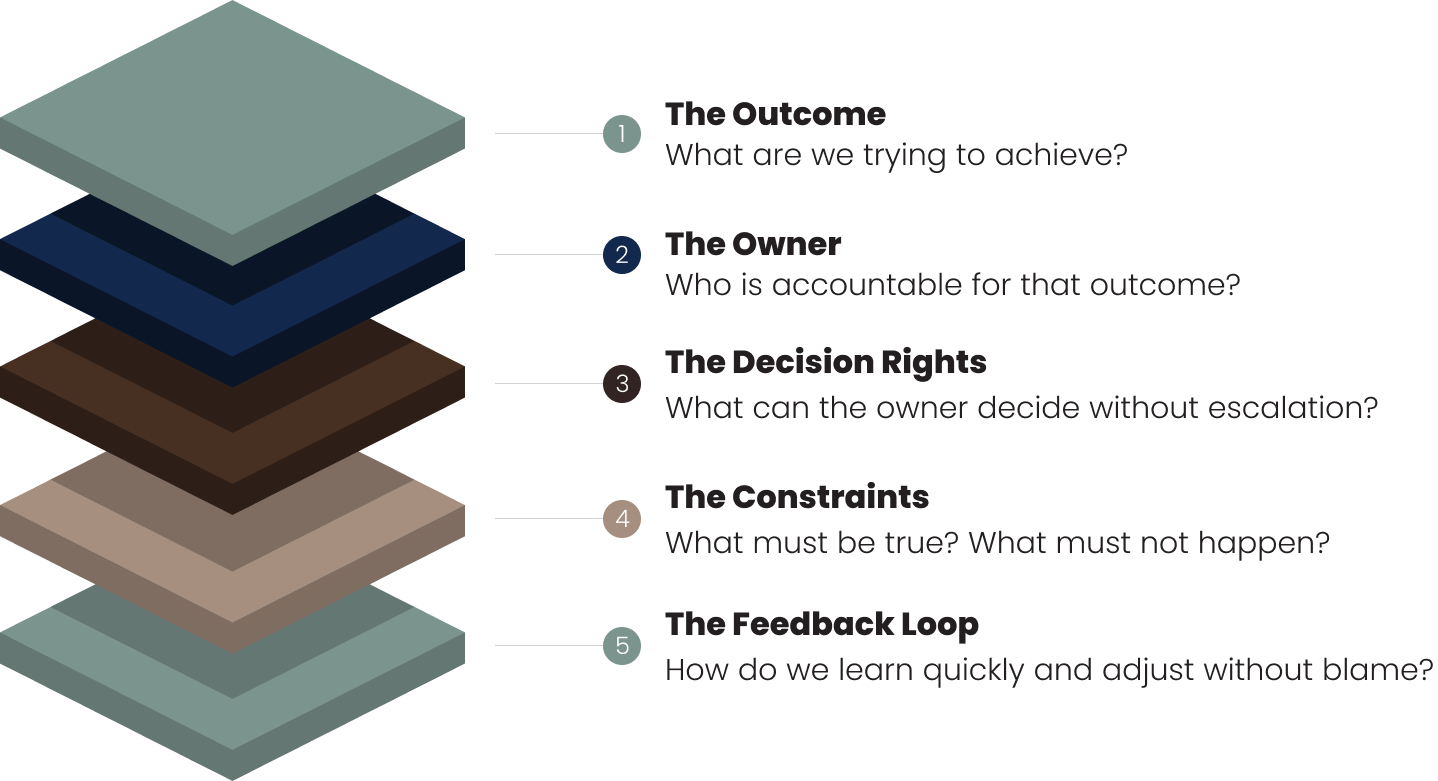
It makes three things explicit:

Outcomes
What success actually means, in plain language

Ownership
Who owns what, without overlap, ambiguity, or hidden escalation.

Constraints
The boundaries that make trust safe, so decisions can happen closer to the work.

Clarity Architecture™ is built on a simple idea:
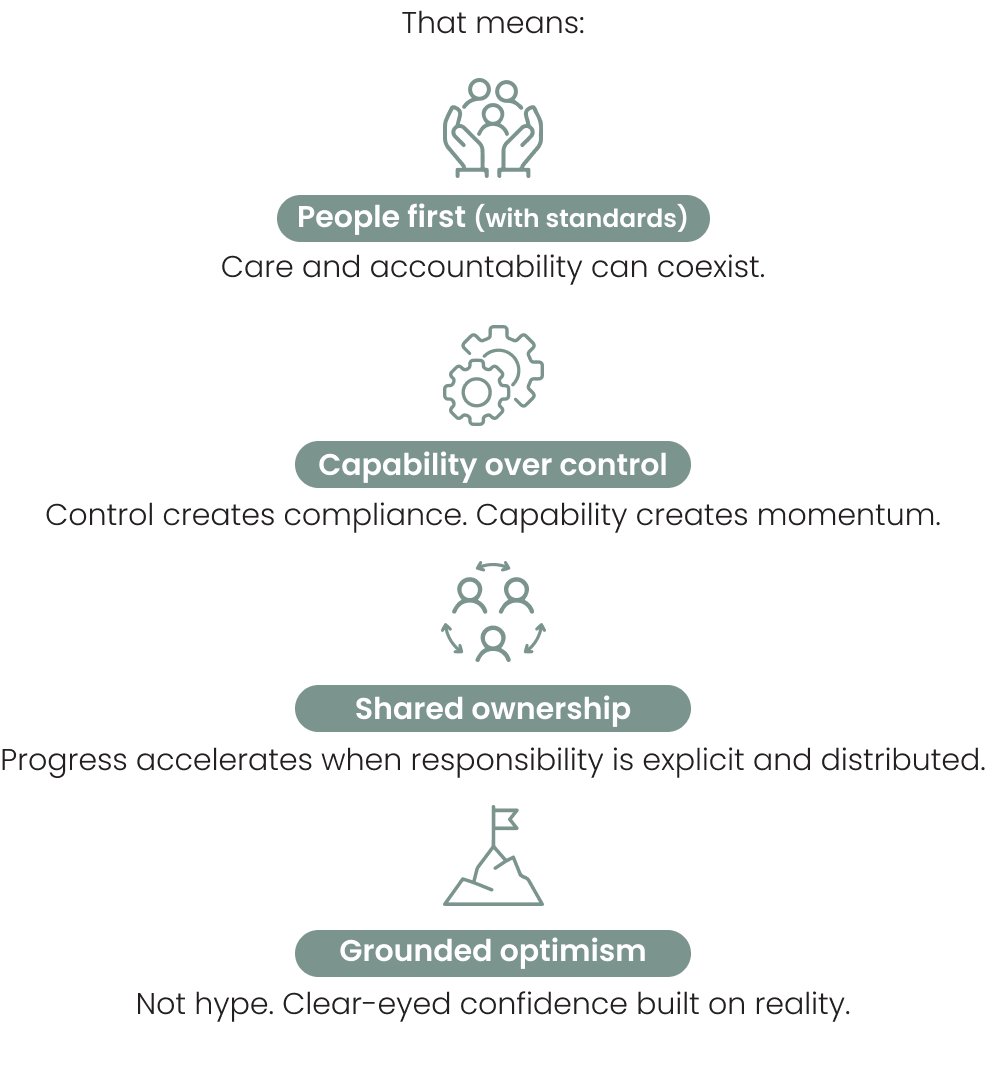
People are the engine, structure and clarity is the support.
Clarity Architecture™ is most useful when:
· Growth has increased complexi
· Leaders are becoming bottlenecks
· Teams are capable, but stuck
· Decision-making is slow or political
· AI and change are accelerating uncertainty
· Ownership feels unclear across functions
If your organisation has talent but lacks momentum, start with clarity.
No. It’s a framework for making ownership, decisions, and constraints explicit so work can move.